Our Blog
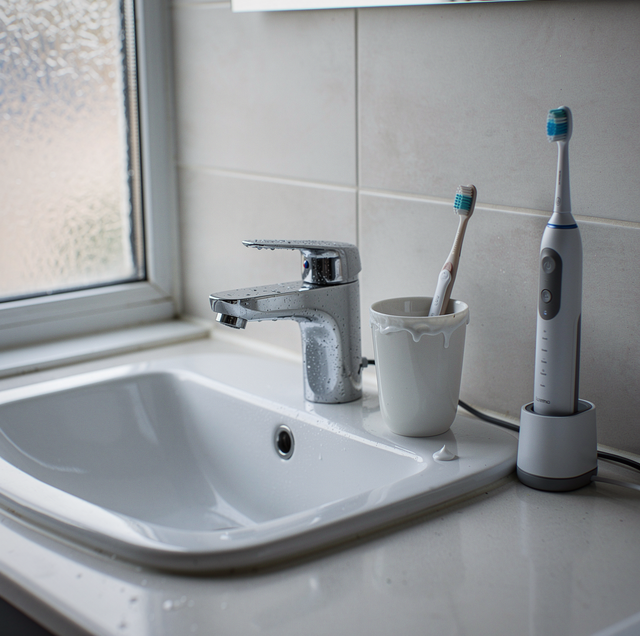
Manual vs. Electric Toothbrush: What Actually Decides It
Run a fingernail along the gumline of a lower back tooth a few hours after brushing, and it comes away carrying a soft, pale film.
Can Receding Gums Grow Back? Why the Answer Is No
Gum recession is recorded in millimeters. At an examination, a dentist measures from the cementoenamel junction, the line where enamel ends and the root begins, down to wherever your gum margin now sits, and writes that number on your chart.
Dental Sealants and Fluoride for Kids: Worth It, and When?
A first permanent molar arrives at the back of a child's mouth at around the sixth birthday.
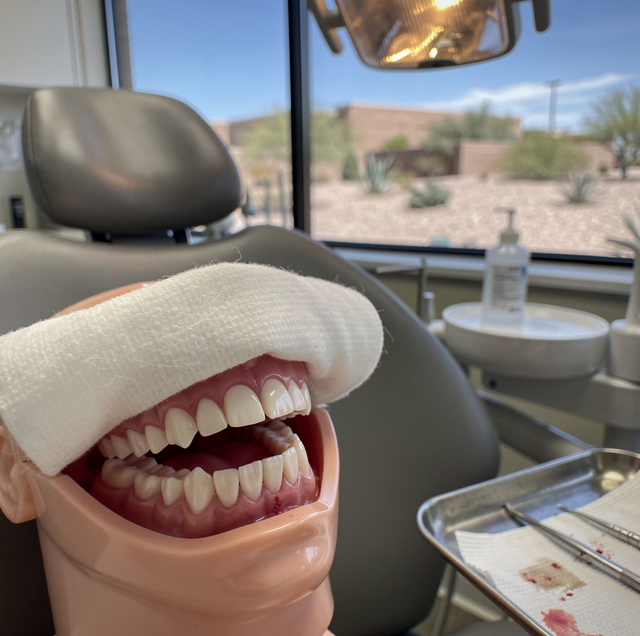
Tooth Extraction in Glendale, AZ: What to Expect During Your Visit and Recovery
Most people picture an extraction as the moment something gets pulled. The pulling is the short part.
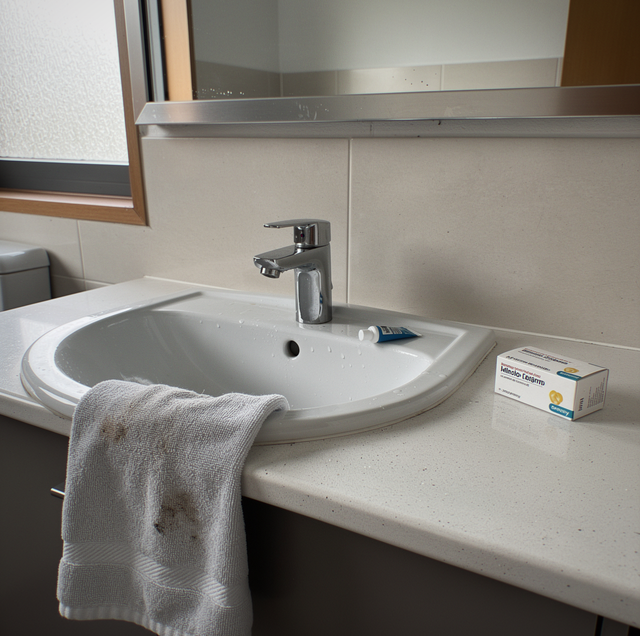
How to Prevent Dry Socket After Tooth Extraction in Glendale, AZ
Most extraction recoveries follow a fairly predictable curve: sore for a day or two, then steadily better.

Glendale Teeth Whitening: Professional Treatment vs. Store-Bought Strips
You notice it in a photo first. The lighting was fine, everyone else looked normal, and your teeth read a shade or two warmer than you remembered.
Gingivitis vs. Periodontitis: A Glendale Dentist Explains Gum Disease
Bleeding along the gum line, redness at the edges of the teeth, and slightly swollen tissue all point to the same thing: inflammation triggered by bacteria collecting where the gum meets the tooth.
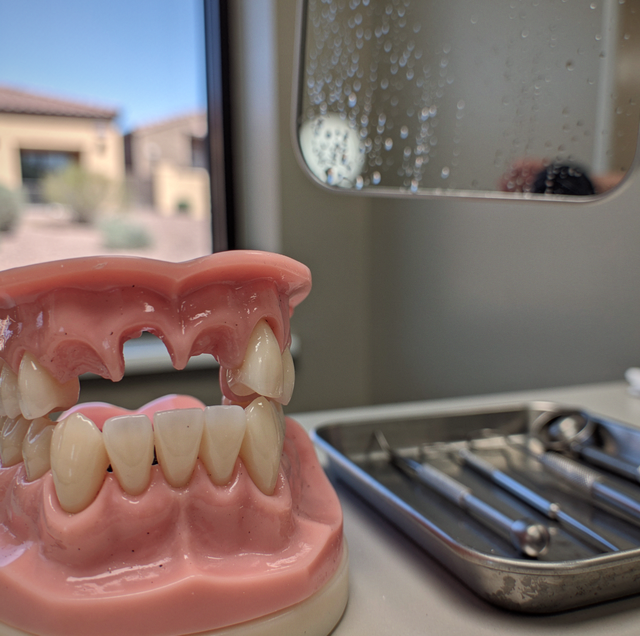
Missing One Tooth? Dental Bridge vs. Implant Options in Glendale, Arizona
The socket healed weeks ago and the soreness is long gone. What remains is a space your tongue finds every time your mind wanders, and a question that came up at your last visit in a single breath: bridge or implant.
Crown or Veneer Fell Off? Emergency Dental Care in Glendale, AZ
It usually happens mid-bite, on something soft that had no business dislodging anything: a bagel, a caramel, a forkful of pasta.
Save or Extract a Tooth? A Glendale Dentist Explains
Saving a tooth or removing it is one of the most common decisions in dentistry, and also one of the most misunderstood.
Untreated Cavities in Glendale, AZ: How Tooth Decay Spreads
Your dentist mentions a small cavity, then adds that it is not causing any trouble yet.
Chronic Bad Breath Causes: A Glendale, Arizona Dentist Explains
You reach for a mint before a meeting, then gum in the car, then a swish of mouthwash after lunch, and for about twenty minutes each time the problem goes quiet.
Cold Sensitivity in One Tooth: Causes and Treatment in Glendale, AZ
You tip a glass of ice water to your lips, and before you have even swallowed, one tooth answers with a sharp, bright zing. Not a dull ache. A quick electric jolt that fades almost as fast as it arrived. So you go back to your dentist half-expecting to hear about a cavity, and instead you get the opposite news: the tooth looks fine, the X-ray is clear, no decay. Which leaves the obvious question hanging in the air. If there is no cavity, why does this one tooth keep flinching every time something cold gets near it?
Pink in the Sink? Bleeding Gum Treatment in Glendale, AZ
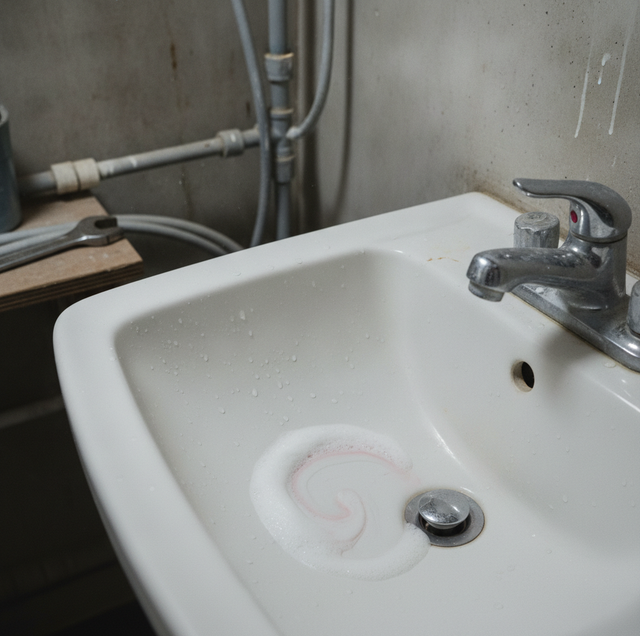
You lean over the sink, spit after brushing, and there it is: a swirl of pink in the water. Or you finally get back into flossing, work the strand between two back teeth, and it comes out tinged with blood. It is a small thing, but it makes you pause. Healthy tissue usually does not bleed when you clean it, so your gums are trying to tell you something.
Glendale Dentist Explains Early Signs of Gum Disease
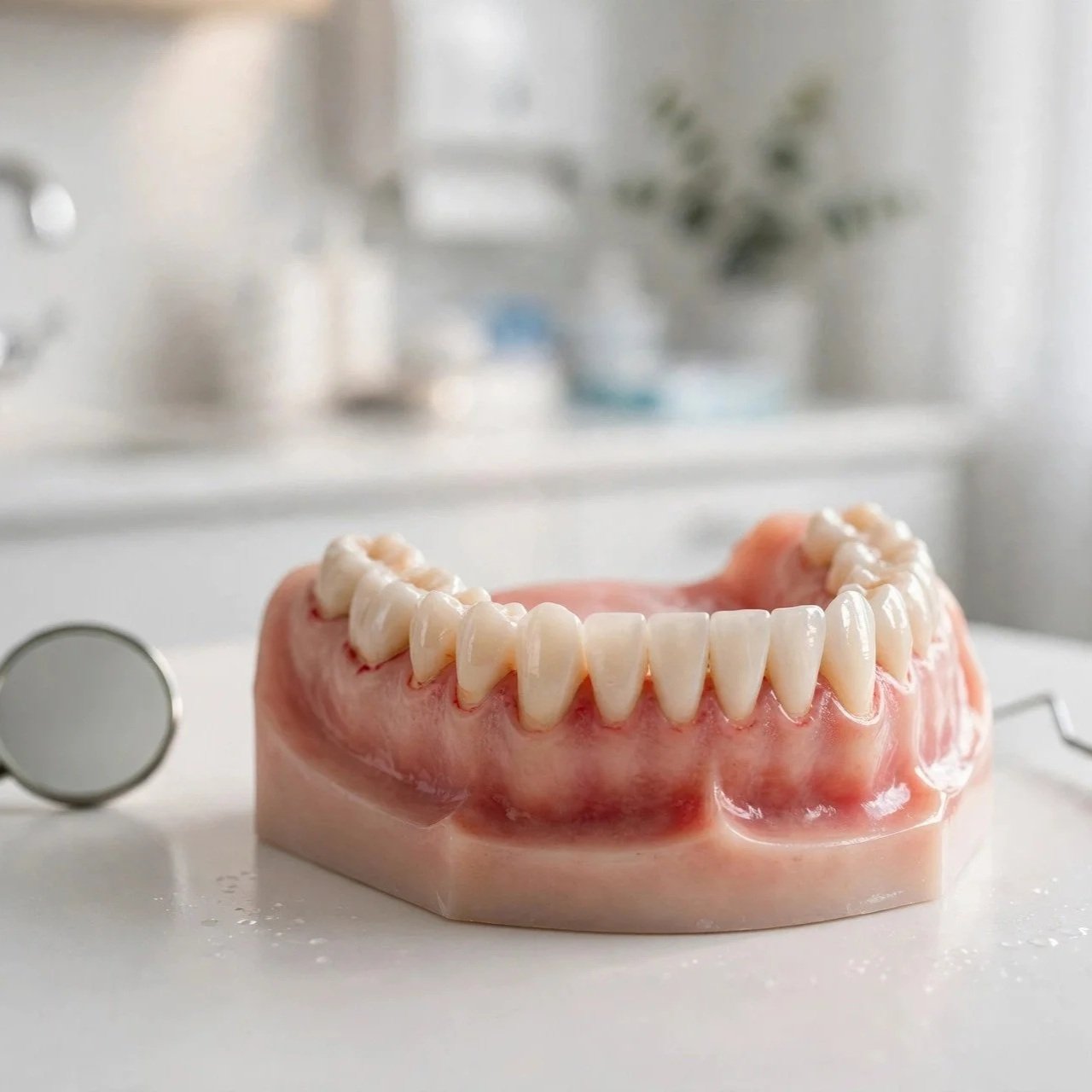
Gum disease is one of the most common conditions a dentist treats, and also one of the quietest. In its early stage, it rarely hurts. There is no throbbing tooth to send you looking for help, just small shifts at the gumline that are easy to wave off as nothing. That is exactly what makes the early signs worth knowing. The stage where gum disease is simplest to turn around is also the stage where it asks the least of your attention. By the time it does start to hurt, the process is usually further along and harder to reverse.
Cracked Tooth in Glendale, AZ: Choosing the Right Treatment
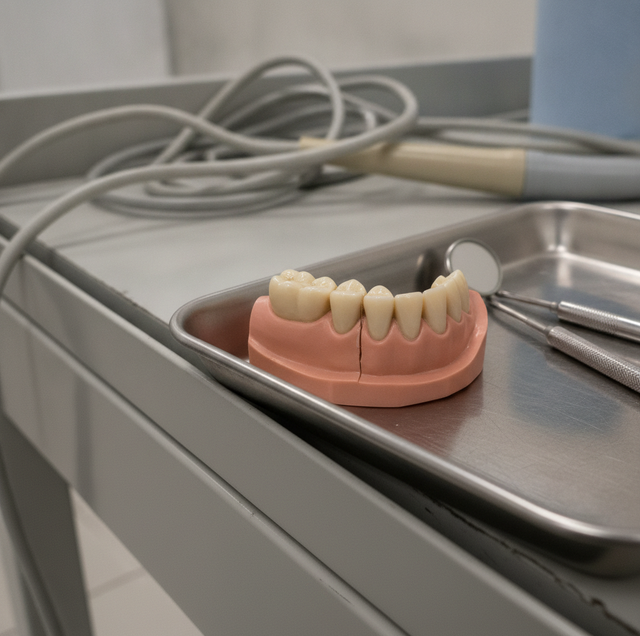
A tooth cracks, and the question that follows is rarely about pain. It is about scope. Is this a quick filling and you are out the door, or is it a crown, a bigger appointment, and more tooth to cover? That uncertainty is normal, and the honest answer is that no one can tell you which one you need from a description alone. What a dentist can explain is how the choice gets made, because the decision follows a fairly consistent logic once someone can see the tooth, tap on it, and check how deep the crack runs.
Dental Implant Consultation in Glendale: What to Expect
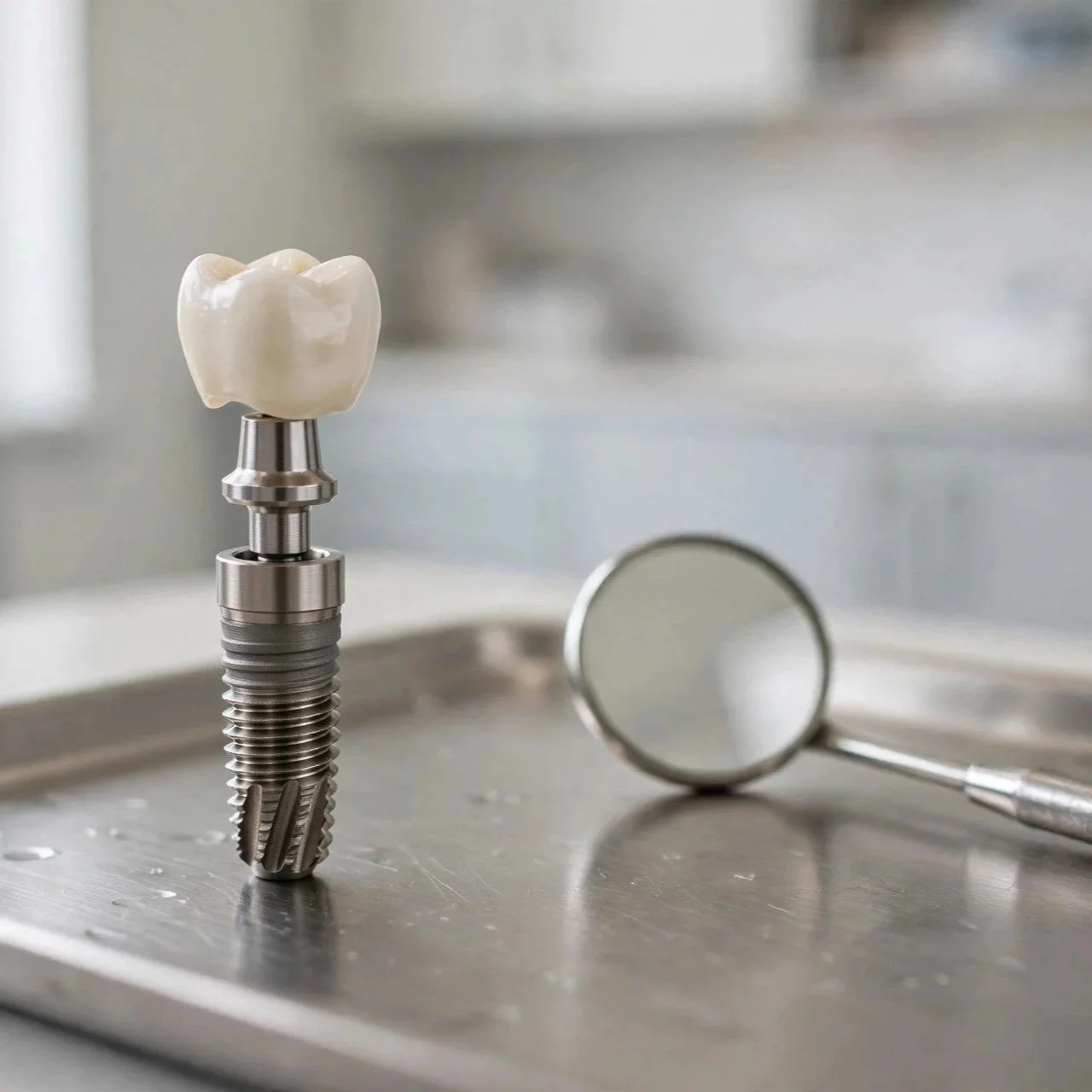
You lost a tooth, or you just found out one has to come out, and somewhere in the conversation, the word "implant" came up. Now you are wondering whether that option is even open to you. It is a fair question, and a common one, because implants are not a one-size-fits-all solution for everyone. Whether an implant is a good fit depends on a handful of things a dentist can actually check: the bone under the gap, the health of your gums, how your body tends to heal, and whether you are ready to care for the result. None of that can be settled from a search bar. What follows is a plain guide to what generally makes a good candidate, so you walk into an exam knowing what is being weighed and why.
Night Guards for Teeth Grinding and Better Sleep in Glendale, AZ
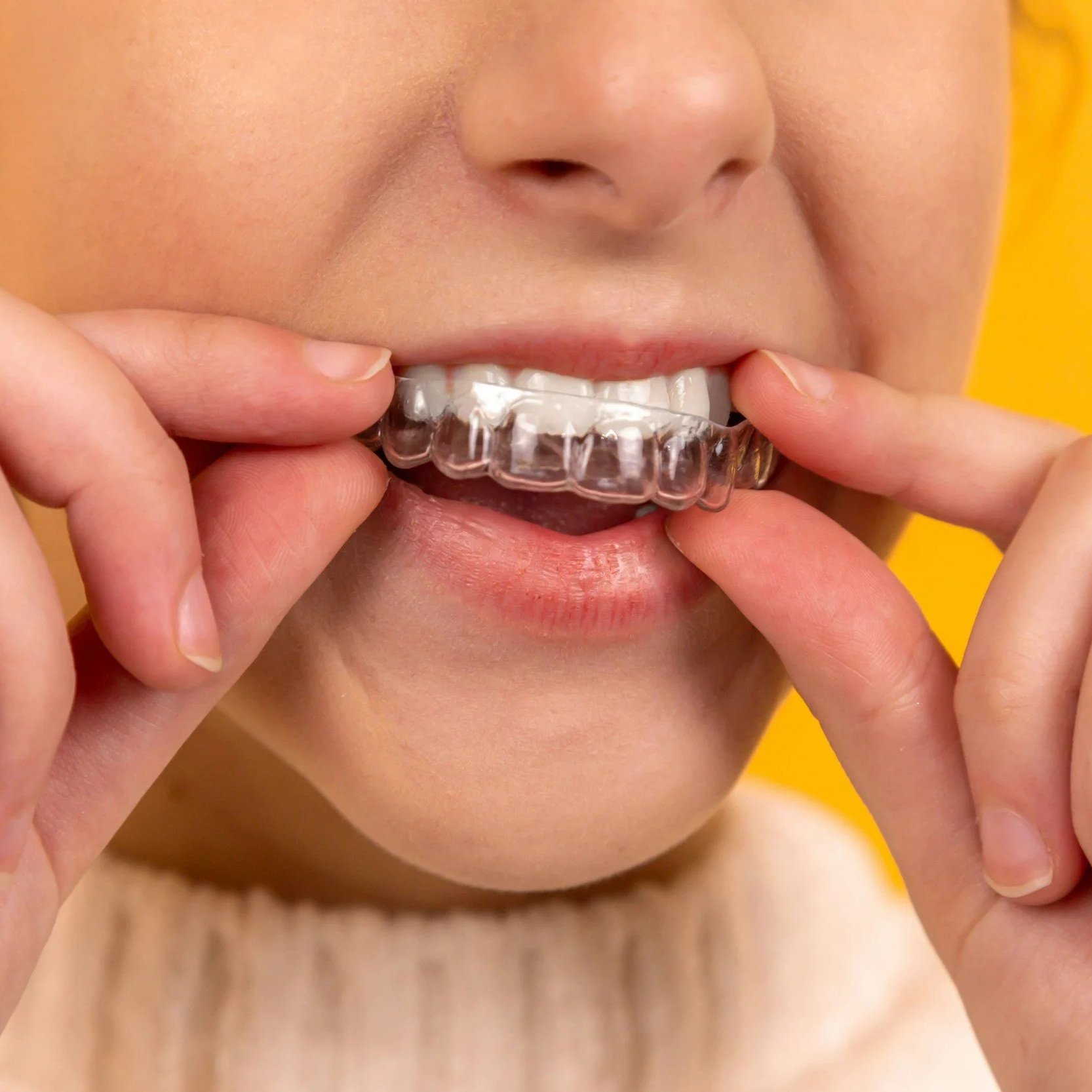
Clenching, grinding, and clashing can cause more damage than most people realize.
Dental Crowns in Glendale, AZ: How They Protect and Restore Teeth
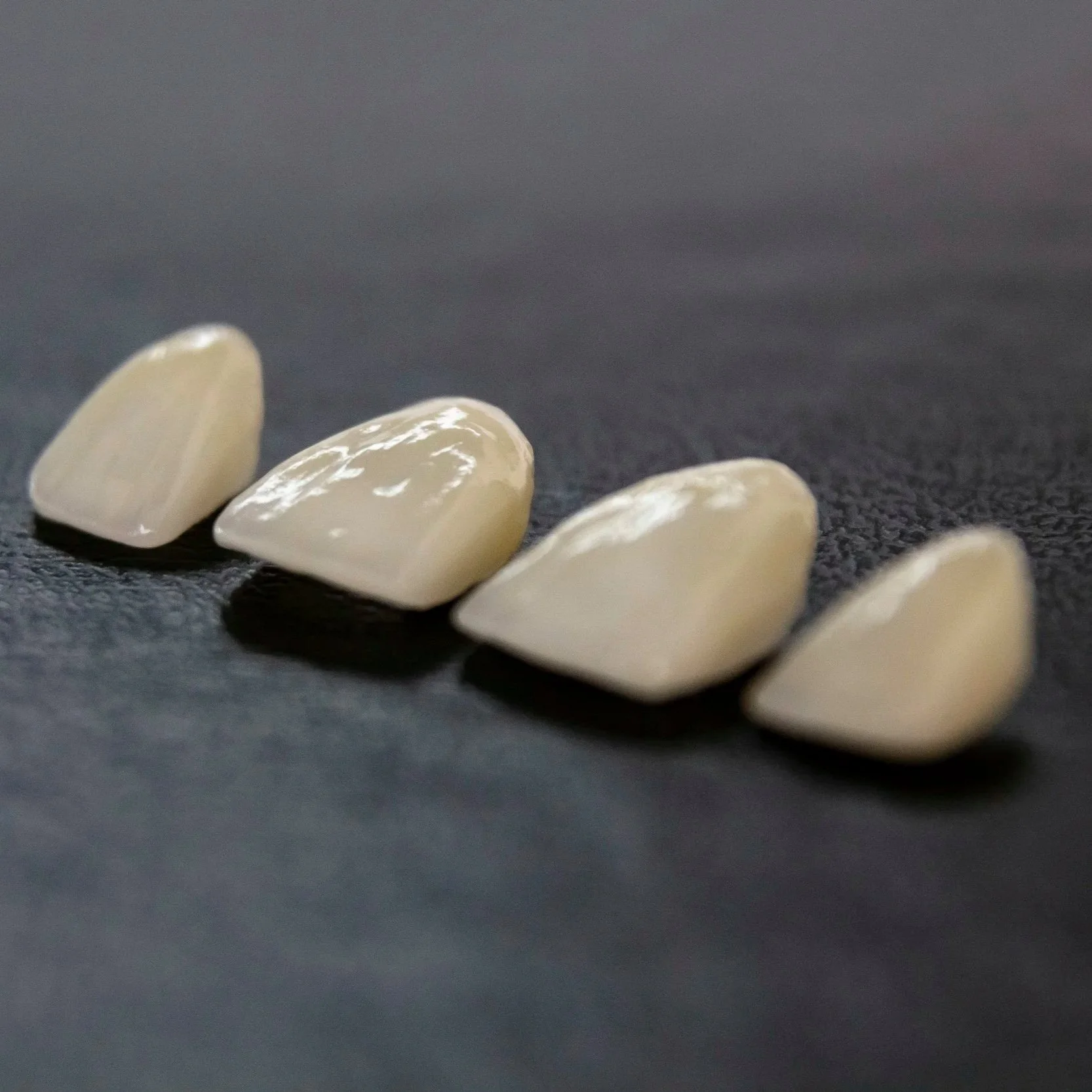
Fillings have their time and place, but when the damage moves past superficial, dental crowns step into the spotlight.