Tooth Extraction in Glendale, AZ: What to Expect During Your Visit and Recovery
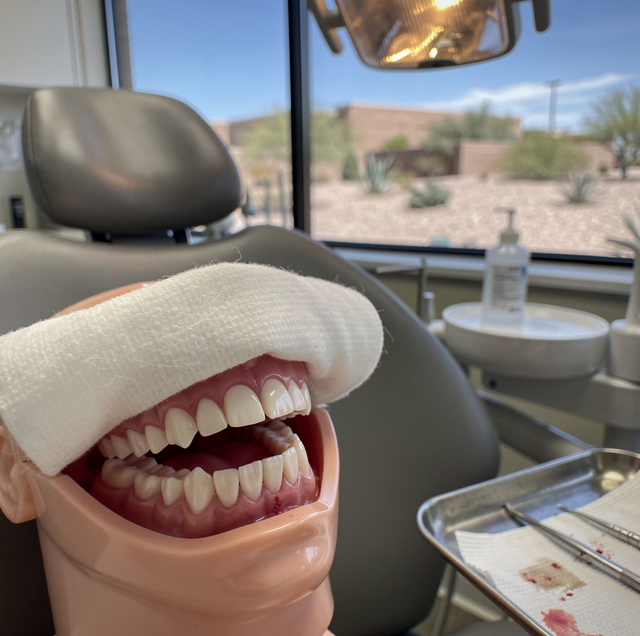
Quick Answer: A routine extraction usually begins with an exam and imaging, then local anesthetic. The tooth is loosened in its socket and lifted out, commonly in minutes. A blood clot forms where the root sat, and most early aftercare exists to protect it: firm gauze pressure, soft food, no straws or smoking, no forceful rinsing.
Most people picture an extraction as the moment something gets pulled. The pulling is the short part. The longer stretch is everything around it: the images showing what the roots are doing beneath the gum, the few minutes of steady pressure as the tooth releases, and the week of small habits afterward that determine how the socket heals. What follows is general patient education, not a substitute for an in-person evaluation, and it cannot tell you what your own tooth needs. Your dentist will determine that from an exam, current images, and your health history.
Before the Appointment: The Exam and the Images
Removal is a conclusion, not a starting point. Before scheduling one, a dentist typically examines the tooth and gum tissue and takes an X-ray, sometimes a three-dimensional scan, to see what sits below the gumline. Those images show how many roots the tooth has, how curved they are, how much bone surrounds them, and how close the root tips sit to structures a dentist works around.
That picture largely tells your dentist whether the tooth can likely come out in one piece at a routine visit or whether the case calls for a surgical approach. Roots that fan widely, a tooth fractured off at the gumline, and a molar that never fully came in all change the plan. Where a case is expected to be more involved, your dentist may refer you to an oral surgeon.
Your health history carries as much weight as the images. Expect questions about heart conditions, diabetes, joint replacements, bone-density medications, and every prescription and supplement you take, including anything affecting clotting. Do not stop or adjust a prescription on your own; tell the office what you take and let your dentist coordinate with your physician where warranted. Mention dental anxiety early, since comfort measures are easier to plan than improvise.
Numbing and Sedation, in General Terms
Nearly every extraction starts with local anesthetic placed near the tooth. A topical gel is often applied first to make the injection easier to tolerate, and the area usually goes numb within minutes. Your dentist will test the site and add more if sensation remains. Numb does not mean you feel nothing, though. Anesthetic blocks sharp pain, but pressure and movement still register, so many patients describe firm pushing, rocking, and noise without discomfort. Sharp pain is not something to endure quietly; raise a hand, since more anesthetic can usually be added.
Beyond that, practices differ in what they offer. Nitrous oxide, breathed through a small nose mask, eases anxiety and typically wears off within minutes of the mask coming off. Oral and intravenous sedation are used in some settings, more often for longer or surgical cases and frequently through an oral surgeon. What suits you depends on your health history, medications, and the complexity of the case; your dentist will determine it. Anything beyond nitrous generally means arranging a ride home.
What Happens During a Routine Extraction
Once the site is numb, the work is quieter than most people expect. A tooth is not cemented into the jaw. It is suspended in its socket by the periodontal ligament, a thin layer of fibers anchoring root to bone, and the goal is to release those fibers rather than force anything.
Your dentist eases the gum tissue away and works a slim, lever-like instrument between root and socket. Careful rocking stretches the ligament fibers and widens the socket slightly, since bone has some give. Forceps then grip what remains above the gum, and the same controlled motion continues until the tooth lifts free.
The socket is then inspected and rinsed, loose fragments removed, and sharp bone edges smoothed if needed. Stitches may be placed if the opening is wide. Where a replacement tooth is already part of the plan, a dentist sometimes places graft material in the socket to help the ridge hold its shape. You bite down on folded gauze, and the clot begins to form.
Simple Removal Versus a Surgical Approach
A simple extraction applies to a tooth that is visible above the gum and can be gripped directly. A surgical extraction involves a small incision to lift the gum, sometimes removing a little bone, and often sectioning the tooth so each piece comes out through a smaller opening. Sectioning sounds dramatic and usually is not; dividing a multi-rooted tooth frequently disturbs less bone than removing it whole. It is common when a tooth has broken at the gumline, is impacted, or has roots that make one-piece removal unlikely. These are the cases a general practice will often plan with, or refer to, an oral surgeon, and recovery typically runs longer.
The First 24 Hours and Why the Clot Matters
Blood filling the socket and organizing into a clot is not a complication. It is the first stage of healing. The clot shields exposed bone and nerve endings and provides new tissue with a scaffold, which is why nearly every first-day instruction focuses on protecting it.
Bite firmly on the gauze pad for as long as your dentist specifies, commonly around 30 to 45 minutes, replacing it if oozing continues. Steady pressure matters more than frequent checking. For the window your dentist gives you, avoid straws, forceful spitting, smoking or vaping, and vigorous swishing, because suction and agitation are the usual ways a young clot gets dislodged. Tobacco is often restricted for longer than a day. Plan a quiet remainder of the day, skip heavy lifting, and prop your head up with an extra pillow that night.
Bleeding, Swelling, and Soreness on a Normal Timeline
Light oozing that tints your saliva pink for several hours is typical and is not active bleeding. If frank bleeding restarts, most offices advise fresh damp gauze placed directly over the socket with firm, uninterrupted pressure for about 30 minutes.
Swelling of the cheek and jaw usually builds rather than appearing at once, often peaking around the second or third day before easing. A cold compress on the outside of the face in intervals during the first day is standard advice in many practices, with a switch to gentle warmth after 48 hours. Bruising along the jawline can surface later and is common.
Soreness is strongest in the first 48 hours, then tapers. Use only the pain relief your dentist recommends, and take any prescribed medication exactly as directed. If discomfort is not responding as you were told to expect, the office wants to know, rather than have you wait.
Eating, Drinking, and Keeping the Area Clean
For the first day or two, aim for soft foods at cool or lukewarm temperatures: yogurt, applesauce, scrambled eggs, mashed potatoes, cooled soups, and smoothies eaten with a spoon rather than a straw. Chew on the opposite side and set aside anything crunchy, chewy, spicy, or studded with small seeds, since fragments can lodge in the socket. Most people work back to a normal diet over several days to a week, guided by comfort rather than a calendar.
Cleaning continues, just carefully. Brush and floss your other teeth normally that evening, while avoiding the site itself. Many offices recommend gentle warm salt-water rinses starting the day after, letting the water fall out of your mouth rather than spitting. Hold off on alcohol-containing mouthwash unless your dentist says otherwise. Most extraction stitches dissolve within one to two weeks, though some need a brief visit to remove.
Dry Socket and Other Signs Worth a Phone Call
Dry socket, also known clinically as alveolar osteitis, occurs when the clot is lost or breaks down before the underlying tissue has healed, leaving bone and nerve endings exposed. It is not an infection and is uncommon, though it is reported more often after lower molar removals and among people who smoke.
The pattern is recognizable. Pain that had been improving suddenly worsens, usually around the second to fourth day, and often throbs toward the ear, temple, or jaw on the same side. A foul taste or odor may come with it. This is not something to manage at home. Dentists commonly treat it by gently rinsing the socket and placing a soothing dressing, which often brings relief.
Contact the office promptly if you notice any of these:
- Bleeding that keeps soaking through gauze after several hours of firm pressure
- Pain that increases after the third day or is not eased by what you were told to take
- Swelling that grows after day three, spreads toward the eye or neck, or brings fever or chills
- Pus, a persistent bad taste, or a foul odor from the site
- Numbness in the lip, chin, or tongue lingering well past when the anesthetic should have faded
- Any reaction you suspect is related to a medication you were given
Difficulty swallowing or breathing, or swelling involving the floor of the mouth or the neck, calls for immediate emergency care, not a next-day appointment. If you are unsure whether something is normal, let the office decide.
How the Site Heals Over the Following Weeks
Gum tissue usually closes over the opening within roughly two weeks, while bone fills the socket underneath far more slowly, over months. The ridge also remodels and tends to narrow where the root used to be, one reason replacement options are often discussed before the tooth comes out. Keep the follow-up appointment even if you feel fine, since a quick look confirms the tissue is closing as expected and is the natural moment to discuss what, if anything, should fill the space.
Frequently Asked Questions
With local anesthetic alone, most patients drive themselves without difficulty, since the numbness affects the mouth rather than coordination. Nitrous oxide is typically reversed with a few minutes of oxygen, and many offices clear patients to drive after it. Oral or intravenous sedation is different, and practices generally require a licensed adult to drive you home. Ask which applies when scheduling.
Most offices recommend keeping activity light for the first 24 to 48 hours, then gradually returning. Strenuous effort raises blood pressure and can restart bleeding or dislodge a young clot; repeated bending forward worsens the throbbing. Surgical cases usually warrant a longer pause, so follow the timeline your dentist gives you.
That pale tissue is usually granulation tissue, the soft new tissue that forms as the clot is replaced, a normal part of closing. Color alone is a poor way to judge healing. The pain trend matters more: an odd-looking site with steadily improving discomfort is generally fine, while one that starts hurting more after several days deserves a call.
Limited opening, called trismus, is fairly common after longer appointments or lower back-tooth removals, since the muscles were held open and are sore. It usually loosens over several days, and gentle warmth on the jaw helps. Stiffness that worsens instead of easing, or arrives with fever or spreading swelling, should be reported to the office.
Bring the full list, including over-the-counter products and supplements, and let your dentist review it rather than making changes yourself. Blood thinners are a common example: many extractions are performed without stopping them, and stopping one without medical direction carries its own risk. Any adjustment is your dentist's and prescribing physician's call.
Over time, it can. Teeth tend to drift toward an open space, and the opposing tooth may gradually move into it, changing how your bite meets and making that area harder to clean. How quickly this happens varies widely. It is the main reason your dentist raises replacement early rather than after the neighbors have shifted.
Schedule an evaluation for a painful or damaged tooth — an exam and current images show whether removal is the right call and what recovery would involve. Jennifer Fineberg DDS welcomes patients in Glendale, Peoria, and the West Valley. Call (623) 362-2550.
