Chronic Bad Breath Causes: A Glendale, Arizona Dentist Explains
Quick Answer: Persistent bad breath is usually caused by anaerobic bacteria releasing sulfur compounds, most often on the back of the tongue, but also from gum disease, dry mouth, cavities, tonsil stones, or less commonly, conditions outside the mouth — a dentist can trace the exact source.
You reach for a mint before a meeting, then gum in the car, then a swish of mouthwash after lunch, and for about twenty minutes each time the problem goes quiet. Then it comes back. If breath were only about what you ate, a mint would end the story. When it keeps returning no matter how much you cover it, the mint is telling you that something in the mouth is producing the smell faster than peppermint can hide it. Covering it is not the same as finding it.
Persistent bad breath, which dentists call halitosis, is less about hygiene shame and more about a puzzle with a handful of usual suspects, and the source usually sits somewhere a mint never reaches. Here is what creates the smell, why it lingers, and how a dentist works backward from the odor to the cause instead of guessing.
What Actually Makes Breath Smell
The odor almost always comes from bacteria, not from food itself. Your mouth hosts hundreds of species, and a group of them are anaerobic, at home in low-oxygen pockets where they break down proteins from food debris, dead cells, and mucus. As they do, they release volatile sulfur compounds, the gases that carry the smell. The main ones are hydrogen sulfide, which reads as rotten egg, and methyl mercaptan, closer to old cabbage or sour milk. These lift off into the air on every breath, which is why the odor is constant rather than tied to one meal.
That single idea explains most cases. The question a dentist is really asking is not whether bacteria are involved but where they concentrate, because the location changes what happens next. The vast majority of persistent bad breath starts inside the mouth; a smaller share comes from the sinuses, throat, or elsewhere in the body, and part of a good exam is telling those apart.
The Tongue Is the Usual Starting Point
If you had to bet on one spot, bet on the back of the tongue. The rear third near the throat is covered in tiny projections and grooves that trap food particles, dead cells, and mucus from postnasal drainage. That debris feeds a layer of bacteria called biofilm, and the low-oxygen crevices back there are exactly what anaerobic bacteria prefer, so a surprising amount of the day's sulfur gas is produced in that one zone.
The back of the tongue is hard to see and easy to miss, so brushing the teeth beautifully while leaving the tongue untouched is a common pattern behind breath that will not clear. It is also why a quick swipe of mouthwash disappoints: the rinse touches the surface for seconds while the biofilm regrows underneath.
When the Gums Are Feeding the Smell
Gum disease is the next place a dentist looks, because it creates an ideal habitat for odor-producing bacteria. As gums become inflamed and pull slightly away from the teeth, they form pockets along the gumline that are deep, warm, and low in oxygen, collecting plaque and debris below where a toothbrush can reach. Anaerobic bacteria settle in and produce sulfur compounds around the clock.
Bad breath alongside gums that bleed easily, look puffy, or have started to recede tends to point in this direction, and the odor from periodontal pockets is often described as heavier and more persistent than the ordinary morning kind. This is not something to size up on your own; only an exam that measures the pockets can tell whether the gums are the source, which is why a breath complaint often prompts a closer look at the gumline than you might expect.
A Dry Mouth Lets the Smell Build
Saliva is the mouth's built-in rinse. It washes away food particles, carries oxygen that discourages the anaerobic bacteria, and buffers the acids they produce. When saliva drops, all of that protection thins out and odor builds. This is why almost everyone wakes with morning breath: saliva flow falls during sleep, and the bacteria get several undisturbed hours.
Chronic dry mouth, known as xerostomia, keeps that going all day. Common contributors include breathing through the mouth (from allergies, congestion, or habit, often overnight) and dozens of everyday medications that list dry mouth as a side effect, among them many antihistamines, blood-pressure drugs, antidepressants, and diuretics. Dry air adds to it: low outdoor humidity and dry indoor heating in the cooler months both pull moisture from the body, and dehydration shows up as less saliva. None of these causes the odor by itself, but each removes the natural defense that keeps it in check.
Cavities and Aging Dental Work That Trap Food
A tooth is meant to be a smooth surface food slides off, and decay and worn dental work change that. A cavity is a soft, ragged hole that packs with debris and shelters bacteria out of a brush bristle's reach. An old filling or crown with a worn margin leaves a seam where food and plaque lodge, and a bridge or denture not cleaned thoroughly underneath can hold odor-causing material against the gums.
These spots are small but stubborn, because you cannot clean what you cannot reach. Part of a dental exam for bad breath is checking every restoration for a leaking edge and every surface for decay, since a single trapped pocket can keep breath sour no matter how carefully you brush the visible surfaces.
Tonsil Stones and the Back of the Throat
Sometimes the smell comes from just past the mouth. The tonsils have small pits and folds called crypts, where debris, dead cells, and bacteria can collect and calcify into small, pale clusters called tonsil stones, or tonsilloliths. They are often harmless but surprisingly smelly, releasing the same sulfur compounds. A telltale sign is occasionally coughing up a tiny, firm, foul-smelling fleck, or feeling like something is caught at the back of the throat.
Postnasal drip feeds the same area. Mucus draining down the back of the throat, from allergies, a lingering cold, or sinus issues, coats the tongue and gives bacteria more protein to work on. A dentist screens for these, and when the source looks like the throat, sinuses, or nasal passages rather than the teeth and gums, may refer you to your physician or an ear, nose, and throat specialist.
The Less Common Causes a Dentist Screens For
A small share of persistent bad breath starts outside the mouth entirely, and careful dental care includes ruling this in or out rather than assuming. Acid reflux can carry stomach odor up toward the throat. Certain systemic conditions lend the breath a character clinicians are trained to notice: a sweet or fruity note can accompany uncontrolled blood sugar, and other metabolic issues carry their own signatures. These are patterns a professional weighs, not conclusions to draw about yourself from an article. The point is that a dentist who cannot find a clear dental source will not keep polishing teeth and hoping; they consider whether the trail leads somewhere a physician needs to look, and say so.
How a Dentist Traces the Odor to Its Source
Finding the cause is detective work done in order, not by trial and error. It usually starts with history: how long the breath has bothered you, when it is worst, what medications you take, how much water you drink, whether you breathe through your mouth at night, and whether you taste anything sour or metallic. Those answers narrow the field before anyone picks up an instrument.
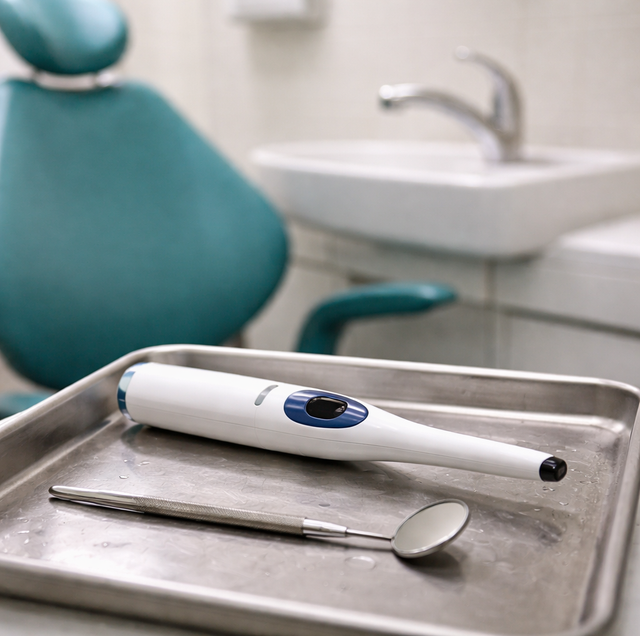
Then comes the exam. A dentist inspects the back of the tongue for a heavy coating, measures gum-pocket depths for signs of periodontal disease, looks over every filling, crown, bridge, and denture for leaking edges, and checks for decay. They may assess the odor directly, an approach called organoleptic assessment, since different sources tend to smell different, and some offices use a device that measures sulfur-compound levels in the breath. Because most halitosis is intraoral, this walk-through resolves the majority of cases on the spot. When it does not, that itself is information: a clean mouth with persistent odor is the signal to look beyond it, and the source is what determines what actually helps.
What Helps Day to Day, and What It Cannot Do
While the exam sorts out the cause, a few habits address the most common source and count as ordinary hygiene, not treatment. Cleaning the back of the tongue matters as much as brushing: a tongue scraper, or the back of a toothbrush, drawn gently from back to front removes the biofilm the brush leaves behind. Daily flossing clears between-teeth debris that feeds bacteria where a brush cannot reach. Steady hydration keeps saliva flowing, and sugar-free gum or lozenges, especially those with xylitol, prompt saliva between meals.
These steps reduce everyday odor, and for tongue-based breath, they often do most of the work. What they cannot do is fix a structural source. If gum disease, a leaking filling, decay, or a cause outside the mouth is driving the smell, scraping and rinsing only blunt it, and the odor returns because the source is untouched. That gap between masking and resolving is why persistent breath should be looked at rather than managed indefinitely from the medicine cabinet.
Putting the Clues Together
Breath that keeps coming back despite every mint is a message, not a character flaw. Behind it is almost always bacteria producing sulfur gas somewhere a rinse cannot stay long enough to matter: the back of the tongue most often, then the gumline, a dry mouth, a trapped spot around a cavity or aging restoration, a tonsil crypt, or occasionally a source past the mouth. Each calls for something different, and only an exam can tell which it is. Note when the odor is worst, whether anyone else has mentioned it, and what makes it better, then let a dentist trace it to the source instead of covering it one mint at a time.
Frequently Asked Questions
They share a mechanism but not a meaning. Morning breath is normal and near-universal, because saliva flow slows during sleep and anaerobic bacteria work undisturbed for hours; it clears within minutes of eating, drinking, and brushing. Chronic halitosis persists through the day and returns after cleaning. The line worth noticing is not how strong the smell is on waking but whether it goes away and stays away once you are up and brushed. Breath that lingers past mid-morning is worth mentioning at a visit.
Your olfactory nerves adapt to constant smells and stop registering them, an effect called olfactory fatigue, so your own breath becomes background you no longer notice. The trick of licking your wrist and smelling it is unreliable, and cupping your hands over your mouth works poorly because exhaled air bypasses the back of the tongue where most odor forms. A more honest read is to ask someone you trust. A dentist can also assess it directly during an exam, which removes the guesswork.
It depends on the type and the cause. Alcohol-based rinses can briefly mask smell but tend to dry the mouth, which over time can worsen things by cutting saliva. Formulas with cetylpyridinium chloride, zinc compounds, or chlorhexidine reduce bacteria or neutralize sulfur compounds rather than perfuming over them, so they last longer than a mint. Even so, a rinse touches the surface for seconds while tongue and pocket biofilm regrow underneath, so mouthwash is a supporting player, not a substitute for cleaning the tongue and treating a structural source.
Because that odor is not coming from your mouth. Garlic and onions contain sulfur compounds, notably allyl methyl sulfide, that are absorbed into the bloodstream during digestion and carried to the lungs, where they leave on your breath for hours no matter how well you brush. This is a different pathway from bacterial halitosis, which is why food breath fades on its own once the compounds clear the body and responds poorly to oral hygiene. Persistent odor unrelated to a recent meal is the kind that points back to the mouth.
In children, a few causes stand out beyond ordinary hygiene. Mouth breathing from enlarged tonsils or adenoids, or from allergies and congestion, dries the mouth and concentrates odor overnight. A small object lodged in a nostril is a classic, often-overlooked cause of one-sided smell in young children, and needs a professional to remove safely. Tonsil stones and postnasal drip affect kids too. Because the sources differ from adults and self-checking is hard, it is worth having a dentist look and, if the trail leads to the nose or throat, point you toward the right care.
A reasonable window is a couple of weeks of consistent tongue cleaning, daily flossing, and better hydration. If steady effort has not changed the odor in that time, the smell is likely coming from a source those habits cannot reach, such as gum pockets, decay, a leaking restoration, or something beyond the mouth. That is the point to have it evaluated rather than keep experimenting. Breath that is worsening, or that comes with bleeding gums, a bad taste, or tooth pain, is worth a call sooner.
If mints and mouthwash have stopped working, have the source found rather than covered — a dentist can trace persistent bad breath to its cause and recommend the right plan. Jennifer Fineberg DDS welcomes patients in Glendale, Peoria, and the West Valley. Call (623) 362-2550.
