Don’t Cap Confidence: The Lifesaving Role of Dental Crowns
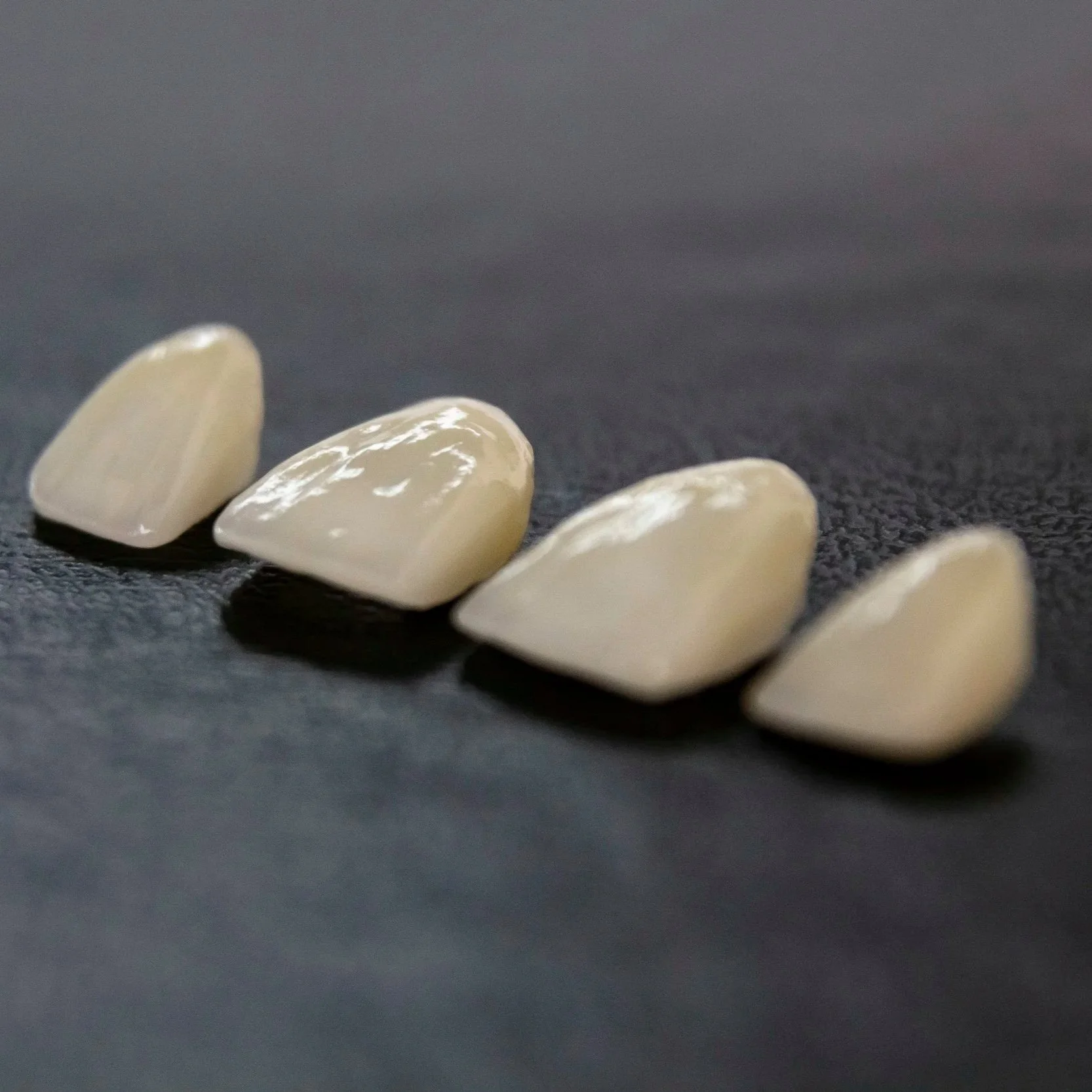
Fillings have their time and place, but when the damage moves past superficial, dental crowns step into the spotlight.
A tiny chip in a molar might not seem like an emergency until it starts feeling like a miniature sword every time someone bites into something. That once-solid tooth may be shouting for backup. Fillings have their time and place, but when the damage moves past superficial, dental crowns step into the spotlight.
Crowns don't just patch a problem. They protect, preserve, and let patients bite into a crunchy apple without having to cross their fingers. Their job is both physical and emotional. They restore function, and sometimes they rescue confidence from going into hiding.
Dental Crowns Are More Than Just A Cap
Crowns are full-coverage restorations that sit on top of compromised teeth, completely covering what's left of the tooth and keeping it intact. Cracks, fractures, extensive decay, large fillings, or root canal treatment often leave teeth too fragile to go it alone. Crowns provide structure, stability, and a barrier against further damage.
They're not removable. They're not temporary. And they're definitely not one-size-fits-all. Each crown is custom-made to mimic the shape, size, and shade of the original tooth. They stay put and pull their weight.
When Crowns Make The Most Sense
Crowns are often used when a tooth has taken one too many hits. A filling can only replace a small portion of the tooth's surface. When there's more composite than tooth, things start to crumble—literally. A crown serves as armor, holding the structure together, especially when chewing forces are involved.
Teeth that have undergone root canal therapy become brittle over time. A crown seals and strengthens the tooth, preventing future cracks or infections. The same goes for teeth with multiple large fillings or trauma-related fractures. A crown gives the whole tooth a second wind without jumping straight to extraction.
What Crowns Are Made Of Matters
Not all crowns wear the same wardrobe. Some are crafted from metal alloys, while others are crafted from porcelain, ceramic, or zirconia. Gold alloy remains the gold standard for durability, especially for molars that do the heavy lifting. Porcelain fused to metal blends strength with a tooth-colored exterior. Zirconia is a favorite among patients seeking maximum aesthetics and resilience without any metal.
Material choice depends on bite strength, location in the mouth, allergy concerns, and personal preference. A front tooth calls for a natural look. A back molar might lean toward longevity. A professional dentist helps match the material to the lifestyle.
Creating A Crown Takes Precision
Crown installation starts with a little prep work. The damaged tooth is cleaned and shaped so the crown can sit securely without looking bulky. An impression is taken, often digitally, so the lab can fabricate a crown that's an exact match.
In the meantime, a temporary crown takes its place. It protects the tooth and keeps everything in place until the permanent crown is ready. Think of it like a dental placeholder, minus the sparkle and long-term commitment.
When the permanent crown arrives, the dentist checks the bite, fit, and color before cementing it in. Once bonded, it behaves like a natural tooth—only stronger.
Crowns Help Patients Smile With Less Self-Consciousness
Functionality is key, but many patients don't realize how much confidence comes from having teeth they're proud to show. A dark, cracked, or misshapen tooth can change the way someone speaks, eats, or smiles. Crowns fill in those visual gaps, so people can speak freely, chew comfortably, and beam proudly without second-guessing their smile.
A good dental crown blends in so well that even the patient forgets which tooth it is on. And that's the point. It doesn't draw attention. It just restores normalcy.
Crowns Work For Kids Too
Pediatric dentistry sometimes leans on stainless steel crowns when baby teeth face extensive decay or structural damage. While it may feel strange to crown a tooth destined to fall out, primary teeth play an important role in development. They help with speech, spacing, and nutrition.
Stainless steel crowns are quick to place and durable enough to hold up until the tooth's natural expiration date. They're not glamorous, but they keep things functioning during those early smile-building years.
Cosmetic And Restorative Dentistry Work Together
Dental crowns aren't reserved just for emergencies. Some patients incorporate them into larger cosmetic dental plans. When a tooth is misshapen, discolored, or structurally unsound, a crown can transform the look and feel of a smile in a way that feels both natural and intentional.
They're also used with dental implants or bridges. A single implant needs a crown to complete the look and function of a natural tooth. Bridges use crowns to anchor the structure. In each case, the crown is the visible hero that maintains dental stability.
Crowns Defend Against Bigger Issues
Letting a compromised tooth linger without support can lead to a chain reaction. Cracks deepen. Pain increases. Infections set in. Eventually, extraction becomes the only option. A crown interrupts that progression. It protects what's left and reduces the risk of needing more invasive treatments later.
Some crowns even prevent injury to the opposing tooth. For patients who clench or grind, a worn-down tooth can cause uneven pressure and trigger damage elsewhere. A properly balanced crown helps distribute force evenly and minimizes long-term wear.
Caring For A Crown Is Straightforward
Crowned teeth require the same love as natural teeth. Daily brushing, flossing, and regular cleanings help maintain gum health around the crown and protect the underlying tooth. Even though the crown material doesn't decay, the natural structure underneath can.
Chewing on ice, popcorn kernels, or opening packaging with teeth is still a no-go. Crowns are strong, but they're not invincible. Patients with bruxism or TMJ may need a night guard to protect their investment.
A crown may be cemented in place, but like all dental work, it thrives best when patients treat it with care and consistency.
When A Crown Needs Replacing
Crowns typically last between ten and fifteen years, though many last much longer with proper care. A replacement is necessary when a crown chips, loosens, or shows wear at the edges. Sometimes the underlying tooth changes, or new decay sneaks in along the gumline. A replacement gives the tooth renewed protection and often an aesthetic upgrade.
The good news? Replacing a crown doesn't mean repeating the entire process from scratch. Dentists can often use the same prep, take a new impression, and update the restoration with modern materials.
Crowns In The Context Of Whole-Mouth Health
Dental health rarely exists in isolation. One vulnerable tooth can create pressure points elsewhere. A single missing or fractured molar can shift the bite, strain the TMJ, and affect chewing habits. Crowns, when placed at the right time, help maintain the entire system's balance.
By restoring strength where it's missing, crowns allow other teeth to do their jobs without having to pick up the slack. That helps preserve natural alignment and prevents long-term complications. It's a team effort, and crowns are key players.
Crowns Make A Comeback Possible
Some patients feel self-conscious about smiling, chewing, or even speaking in public when a damaged tooth is in the spotlight. A dental crown can change that almost overnight. Once the crown is placed, many patients feel a shift in more than just bite comfort. They speak more clearly, smile more often, and return to foods they once avoided.
Dental care isn't just about physical repair. It's about restoring normalcy, joy, and ease. Crowns carry a heavy load in that department. They're not just tooth toppers. They're confidence builders.
Dental Crowns Are Worth Their Weight In Comfort
Crowns may sound like a luxury, but they're often the most practical way to protect oral health and function. By combining form and function, they help patients enjoy everything from salad to steak without worry. They allow smiles to shine freely, without that nagging fear that a tooth might not hold up.
Professionally placed crowns are sculpted with artistry and installed with precision. They're meant to last and meant to blend in. And when they do their job well, nobody notices them at all. That's their magic.
Crowns are proof that dentistry is both science and craftsmanship. They restore teeth, support function, and bring smiles back into the spotlight—no royal decree required.
Jennifer Fineberg DDS offers a wide range of dental services, including, cleaning, pediatrics, crowns, bridges, and veneers, extractions, dentures, implants, fillings, whitening, and emergency dental care. We have been helping residents of Glendale, AZ, smile confidently since 1997. Our aim is to ensure healthy teeth and gums for all our patients. Call now!
