Emergency Dental Care in Glendale, AZ: From Pain Relief to a Restored Smile
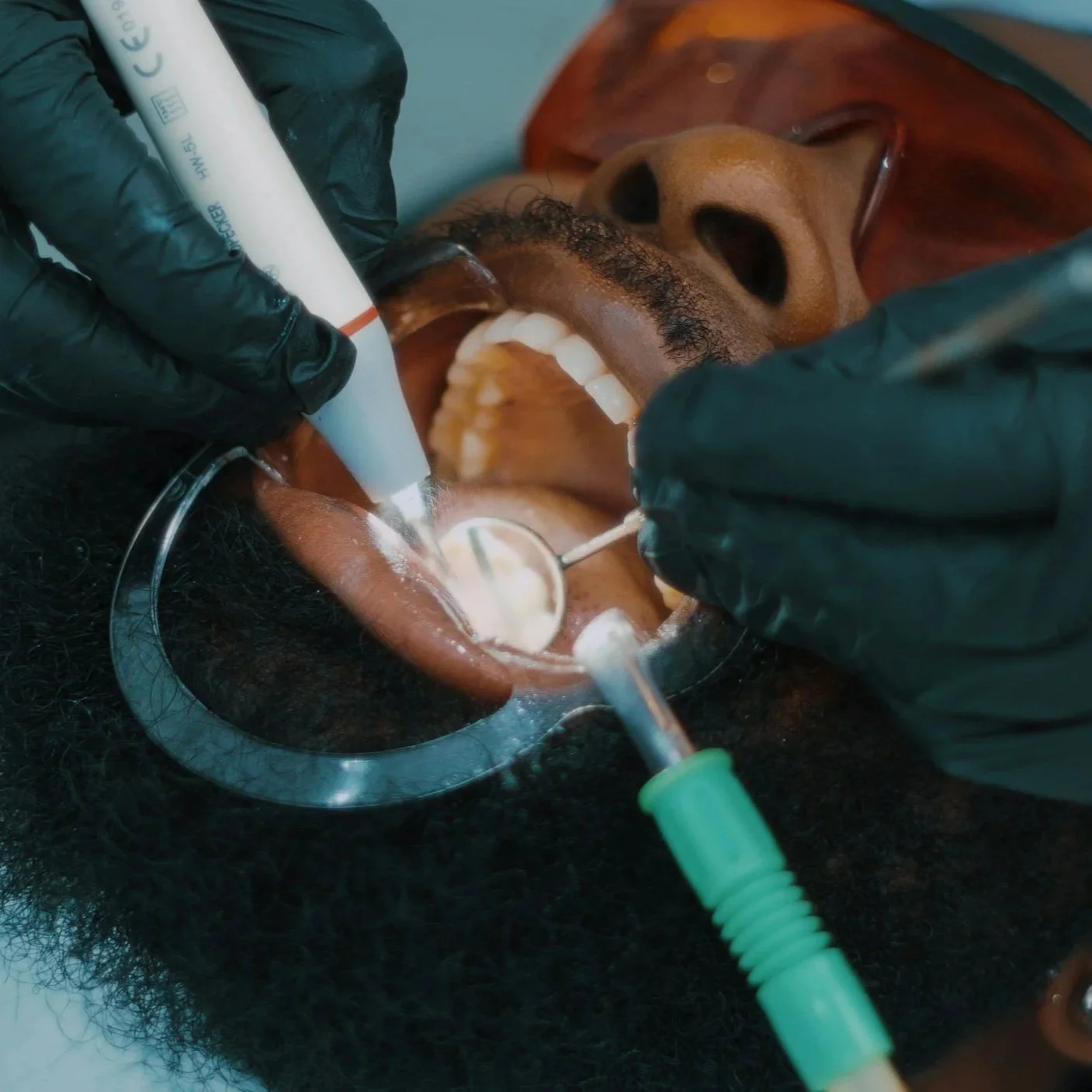
A persistent ache, a cracked molar, or a surprise facial swelling can flip a normal day into a panic spiral.
One second you're biting into your favorite snack, and the next, you're wincing in agony. Dental emergencies have a dramatic flair. They don't announce their arrival with a polite knock. They barge in, loud and inconvenient, often when you least expect them. A persistent ache, a cracked molar, or a surprise facial swelling can flip a normal day into a panic spiral.
Emergency dental care handles those unpredictable moments with precision. Professionals trained in urgent oral care move quickly to diagnose the cause, ease the discomfort, and chart a course toward healing. Teeth may seem like small players, but when one misbehaves, it steals the spotlight.
Toothaches That Take Over The Day
Tooth pain isn't subtle. It nags at meals, distracts from conversations, and makes even coffee feel like an enemy. When pain suddenly spikes or doesn't fade after a day or two, something deeper usually drives it. Decay, infection, or trauma can stir up nerves and surrounding tissue.
Emergency dental care dives straight into the problem. Digital imaging, thorough evaluation, and hands-on treatment stop the downward spiral. Whether the cause is an abscess or an exposed nerve, relief comes quickly with the right tools and a trained hand.
Waiting out the pain may sound noble, but it rarely ends well. Professional help doesn't just relieve discomfort. It stops the source from spreading, complicating, or returning.
Cracks, Chips, And Broken Confidence
A chipped tooth carries more than just a cosmetic concern. A fracture can expose sensitive dentin, compromise the structure, or leave sharp edges that cut the tongue and cheek. Biting into hard candy, falling on the sidewalk, or opening a package with your teeth (not recommended) can leave your smile less than camera-ready.
Emergency dental teams jump into action with composite bonding, temporary crowns, or, in severe cases, root canal therapy. The goal is to protect the damaged tooth and restore function, not just cover up the break.
Cracks may start small, but without timely attention, they widen both physically and financially. A quick, professional repair preserves your smile and prevents a minor fracture from becoming a major one.
Knocked-Out Teeth And The Race Against Time
An avulsed tooth—completely knocked out—can often be saved if addressed fast enough. Timing is critical. Within the first hour, a dentist may reimplant the tooth, stabilize it with a splint, and help the bone reconnect.
Emergency dental care provides the immediate triage needed for this delicate process. Proper cleaning, socket management, and follow-up care help the body accept the tooth again. When reimplantation isn't an option, fast planning for replacements prevents shifting, bone loss, and misalignment.
Carrying a knocked-out tooth to the dentist in milk or saliva is helpful, but the real magic happens when professionals step in without delay.
The Swelling Surprise That Signals Infection
Facial swelling ranks high on the dental emergency scale. Often caused by infections, abscesses, or impacted teeth, swelling can escalate quickly and create pressure in the sinuses, jaw, or throat. Some cases involve fever, fatigue, or a foul taste from pus drainage. It's not just uncomfortable. It can be dangerous.
Emergency dental providers assess swelling immediately. If infection is present, they may drain abscesses, start antibiotics, or open the tooth to release pressure. Quick treatment prevents the infection from traveling to the bloodstream or spreading to other organs.
Ignoring facial swelling invites bigger problems. The body rarely whispers when it's in distress. Emergency care listens carefully and acts fast.
Lost Fillings And Crowns That Leave Teeth Vulnerable
A filling that falls out or a crown that goes rogue may not scream "emergency" at first, but exposed tooth surfaces rarely stay quiet for long. Without protection, hot and cold sensitivity ramps up. Bacteria move in. And chewing starts to feel like a gamble.
Emergency dental appointments replace or temporarily secure restorations to keep the tooth stable until full treatment resumes. Some cases allow for permanent fixes the same day, especially if digital scans and in-house milling systems are available.
A missing crown is like a tooth wearing its nerves on the outside. It might survive a few meals, but it deserves better.
Gum Issues That Cross The Line
Bleeding gums may hint at gingivitis. But when bleeding is spontaneous, persistent, or accompanied by swelling and tenderness, emergency care is necessary. Gum infections, such as periodontitis or abscesses beneath the tissue, can lead to tooth loss and bone damage without prompt treatment.
Emergency dental services treat soft tissue infections with deep cleaning, drainage, and sometimes antibiotics. Targeted scaling removes bacteria beneath the gum line, giving the tissue a chance to recover and reattach.
Gums may seem low maintenance, but when they speak up, they don't mince words. Healthy gums support everything else in your mouth, and emergencies are no time for silence.
Jaw Pain That Radiates And Disrupts Life
Sudden jaw stiffness, sharp pain near the ear, or clicking while chewing may signal a TMJ flare-up. In some cases, jaw pain is connected to tooth misalignment or grinding. In others, it indicates infection, trauma, or stress-induced clenching.
Emergency dental care identifies the source through palpation, bite analysis, and imaging. Splints, anti-inflammatory treatment, or night guards may follow. When pain makes it hard to eat, speak, or even yawn, waiting doesn't help.
Jaw discomfort affects more than chewing. It changes posture, disrupts sleep, and throws off your entire routine. Emergency help keeps it from settling in.
Bleeding That Doesn't Stop Deserves Immediate Care
After an extraction or injury, a little bleeding is normal. But when it doesn't taper off after a few hours or starts pooling at the back of the throat, it's time for professional help. The same applies to spontaneous bleeding from the gums, tongue, or inner cheek.
Emergency dentists evaluate clotting, inspect the wound, and apply measures to stop blood loss and protect the area. Sometimes the bleeding comes from deeper trauma or an underlying medical condition, and fast intervention keeps things under control.
Your mouth holds more blood vessels than you might expect. A little bleed can quickly turn into something more, and dental professionals know how to keep it in check.
Orthodontic Mishaps And Bracket Blunders
Braces and aligners are built to move teeth, not injure lips and gums. But when a wire slips out, or a bracket detaches, irritation follows. Lingering discomfort, open sores, or poking metal require emergency care to prevent further soft tissue injury.
Quick adjustments by a dental professional reposition wires, secure brackets, or provide orthodontic wax to soothe the area. For aligners, emergency teams may provide a replacement tray or trim sharp edges if needed.
Braces may come with some expected discomfort, but stabbing pain and broken pieces do not qualify as part of the package deal.
Why Emergency Dental Visits Feel Different
The pace of an emergency dental appointment moves faster, but the care doesn't cut corners. You won't walk into a waiting room packed with folks who booked six months ago. Emergency providers triage based on need, pain level, and risk, then jump into problem-solving mode.
That sense of urgency doesn't mean chaos. It means precision with a purpose. Emergency dental care is based on the belief that no one should suffer needlessly because of timing.
Whether it's ten a.m. on a Tuesday or right before a long weekend, trained professionals offer relief that resets everything.
The Path From Emergency To Long-Term Health
Fixing the emergency is step one. Step two is to build a plan that prevents the same issue from recurring. A cracked tooth might prompt a full crown. A gum infection might launch a periodontal maintenance routine. An abscess might reveal the need for root canal therapy.
Emergency dental care connects short-term fixes with long-term solutions. It's not just about plugging holes. It's about restoring full health and protecting future comfort.
Patients often leave emergency visits feeling more in control, more informed, and more confident about their next dental steps.
Relief Starts With The Right Team
Tooth pain doesn't care about convenience. Neither do cracked molars or rogue crowns. But dental professionals trained in emergency care understand that a smile in distress needs more than sympathy. It needs immediate support.
With experience, tools, and a calm bedside manner, emergency dental teams turn pain into peace, swelling into stability, and stress into structure. Your teeth might not throw parties when they're healthy, but they throw absolute tantrums when things go wrong.
Emergency dental care speaks tooth fluently and acts quickly. That's why every aching, broken, or panicked smile eventually lands in the right hands.
Jennifer Fineberg DDS offers a wide range of dental services, including cleaning, pediatrics, crowns, bridges, and veneers, extractions, dentures, implants, fillings, whitening, and emergency dental care. We have been helping residents of Glendale, AZ, smile confidently since 1997. Our aim is to ensure healthy teeth and gums for all our patients. Call now!
