Pink in the Sink? Bleeding Gum Treatment in Glendale, AZ
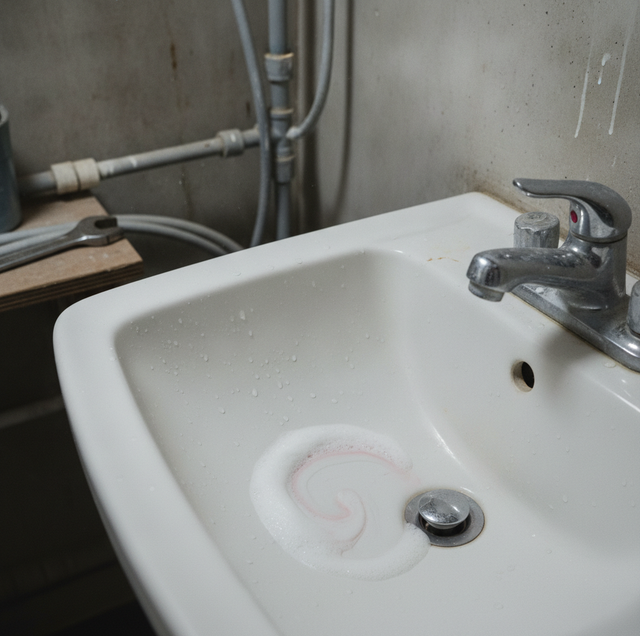
You lean over the sink, spit after brushing, and there it is: a swirl of pink in the water. Or you finally get back into flossing, work the strand between two back teeth, and it comes out tinged with blood. It is a small thing, but it makes you pause. Healthy tissue usually does not bleed when you clean it, so your gums are trying to tell you something.
The reassuring part is that in most people, bleeding gums indicate a common, often reversible problem, not an emergency. What is worth understanding is what the bleeding actually signals, which everyday habits set it off, and the point at which pink in the sink is worth having a dentist look at rather than waiting it out.
What the Bleeding Is Actually Telling You
Run your tongue along where your teeth meet your gums. That soft border is the gumline, and just beneath it sits a shallow groove around each tooth called the sulcus. Plaque, a sticky film of bacteria, collects along that border all day. If it is not cleaned away, the bacteria multiply, and the gum tissue reacts.
That reaction is inflammation. Your immune system sends more blood to the area to fight the bacterial buildup, so the tiny vessels in the gum swell and sit closer to the surface. Inflamed tissue is fragile. A toothbrush bristle or a strand of floss that healthy gums would shrug off is now enough to make those vessels leak. This early, plaque-driven inflammation is called gingivitis, and easy bleeding is its most recognizable sign, usually alongside gums that look puffy or a little redder than the pale pink of healthy tissue.
The mechanism matters because it explains something that surprises people: the bleeding is not a reason to clean the area less. It is usually a sign that the area needs cleaning more consistently. Blood in the sink is the symptom, and plaque at the gumline is the cause.
The Everyday Habits Behind Bleeding Gums
Most bleeding traces back to how and how often plaque is removed.
If you have just started flossing, or you floss only now and then, expect some bleeding at first. Gums that are not used to daily cleaning are mildly inflamed from plaque that has been sitting between the teeth, where a toothbrush cannot reach. As you clean that space each day, the inflammation settles, and the bleeding typically eases within a week or two. Skipping days keeps the tissue irritated and the bleeding going, which is why a stop-and-start routine can seem to bleed forever.
Technique is the other common culprit, and here, more force is not better. Scrubbing hard with a firm-bristle brush can abrade the gums and cause them to bleed without actually removing more plaque. A soft-bristled brush angled gently toward the gumline, using short strokes rather than a hard sawing motion, cleans the sulcus better and treats the tissue more kindly. The same goes for floss: snapping it straight down onto the gum, rather than curving it around the side of each tooth, tends to cut rather than clean.
If flossing feels awkward or your gums are tender, interdental brushes, soft picks, or a water flosser can reach between teeth with less trauma. The best between-teeth tool is the one you will actually use every day, since consistency is what calms the tissue.
When It Is Not Just Your Brushing
Sometimes gums bleed more easily for reasons that have little to do with technique, and it helps to know them so you are not left guessing.
Hormonal shifts raise the gums' sensitivity to plaque. Pregnancy, puberty, the menstrual cycle, and menopause can all make gum tissue more reactive, which is why some people notice bleeding at certain times, even with steady habits. Pregnancy gingivitis is common enough to have its own name, and it is a reason to keep up with dental cleanings rather than skip them.
Certain medications play a part, too. Blood thinners and antiplatelet drugs such as warfarin, aspirin, and clopidogrel reduce clotting, so gums that were mildly inflamed anyway bleed longer and more noticeably. A few other medications can cause gum tissue to overgrow, which traps plaque and worsens irritation. If you started a new prescription and then noticed more bleeding, that is worth raising with both your dentist and your physician rather than adjusting anything on your own.
Nutrition matters at the edges. A real vitamin C deficiency weakens the tissue and blood vessels enough to cause bleeding gums, though a true deficiency is uncommon on a normal diet. Vitamin K supports clotting, and low levels can show up as easier bleeding. These are pieces of the picture, not usually the whole story.
Smoking is worth a mention for the opposite reason. Nicotine narrows the blood vessels in the gums, so tobacco users often bleed less, even when significant gum disease is present. Less bleeding is not a sign of health here, and it can hide a problem that a dentist would still find on examination.
What Persistent Bleeding Might Mean
Here is the encouraging part: Gingivitis, the most common cause of bleeding gums, is usually reversible. When plaque is removed consistently at home, and the harder deposits are cleaned off in the office, inflamed tissue tends to firm up and stop bleeding, often within a couple of weeks. No lasting damage is done at this stage.
The concern is what happens when plaque is left long enough to harden into tartar that brushing cannot remove. If that buildup sits below the gumline, bleeding that keeps going can be an early flag that the trouble is moving past simple gingivitis toward a more advanced gum disease, one that damages the support around a tooth and is far harder to reverse. That progression is a subject of its own, but for bleeding, the practical takeaway is short: do not let it run unchecked on the assumption it will pass.
That difference is exactly why bleeding that does not improve deserves a professional look rather than a wait-and-see approach. As a general guide, if your gums still bleed after two to three weeks of consistent, gentle brushing and daily cleaning between the teeth, or if the bleeding comes with lingering bad breath, gum recession, tenderness, or any looseness, those are signs to book an evaluation. A dentist can measure the pocket depth around each tooth with a small probe, check for tartar below the gumline, and tell the difference between simple gingivitis and something that needs more than better home habits. Only that kind of hands-on exam can sort out which one you are actually dealing with.
Putting the Pink in the Sink in Context
A little blood when you brush or floss is common, and most of the time it is your gums flagging plaque they want gone, not a sign of anything dire. Cleaning gently and consistently, with a soft brush and daily attention between the teeth, clears up a lot of it. What you do not want to do is treat the bleeding as normal and clean around it for months, because that is how reversible gingivitis gets the chance to turn into something that is not. If the pink keeps showing up despite good habits, let a dentist take a look and sort out why.
Frequently Asked Questions
No. Backing off usually makes it worse, because the bleeding is a response to plaque that daily cleaning removes. Keep flossing gently, and the bleeding that comes from a new or on-again-off-again habit typically fades within one to two weeks. If it has not eased after about three weeks of daily, careful cleaning, that is the point to have a dentist check what is going on, rather than simply giving up on flossing.
Bleeding in a single area often has a local cause rather than whole-mouth inflammation. Food packed between two teeth, a spot you consistently miss when cleaning, the rough edge of an old filling or crown, or a place where floss keeps snagging can all keep one patch of gum irritated. If a single site bleeds repeatedly, point it out to your dentist, who can check whether something on that tooth, such as an overhanging filling margin, is trapping plaque.
Generally, gums in good health do not bleed from ordinary brushing and flossing. A one-off can come from an obvious mechanical cause, like snapping floss hard against the gum, poking tissue with a toothpick, or biting something sharp, such as a tortilla chip. That kind of isolated incident is different from tissue that bleeds every time you clean it, which points to inflammation worth addressing.
Brushing cleans the outer and biting surfaces but misses the spaces between teeth, where plaque sits against the gum, and many people also skip the tongue-facing surfaces and the gumline itself. If you brush well but rarely clean between your teeth, those areas can stay inflamed and bleed. Brushing too hard with a stiff brush can injure the gums directly, adding to the problem. Gentle daily cleaning between the teeth, with a softer brush, covers both.
An antibacterial or antiseptic rinse can reduce plaque bacteria that irritate the gums and may help as a supplement, but it does not physically remove plaque and tartar the way brushing, cleaning between the teeth, and a professional cleaning do. Treat mouthwash as an add-on rather than a replacement, and if bleeding persists, see a dentist instead of relying on a rinse to mask it.
Routine pink in the sink is not an emergency and can wait for a regular appointment. Seek prompt dental or medical care, though, if you have heavy gum bleeding that will not stop, bleeding along with significant swelling or pain, or unexplained bleeding while you are taking a blood thinner, since those situations can point to something that needs attention sooner.
Notice pink in the sink that will not quit, have your gums evaluated before simple inflammation gets the chance to settle in. Jennifer Fineberg DDS welcomes patients in Glendale, Peoria, and the West Valley. Call (623) 362-2550.
