Night Guards for Teeth Grinding and Better Sleep in Glendale, AZ
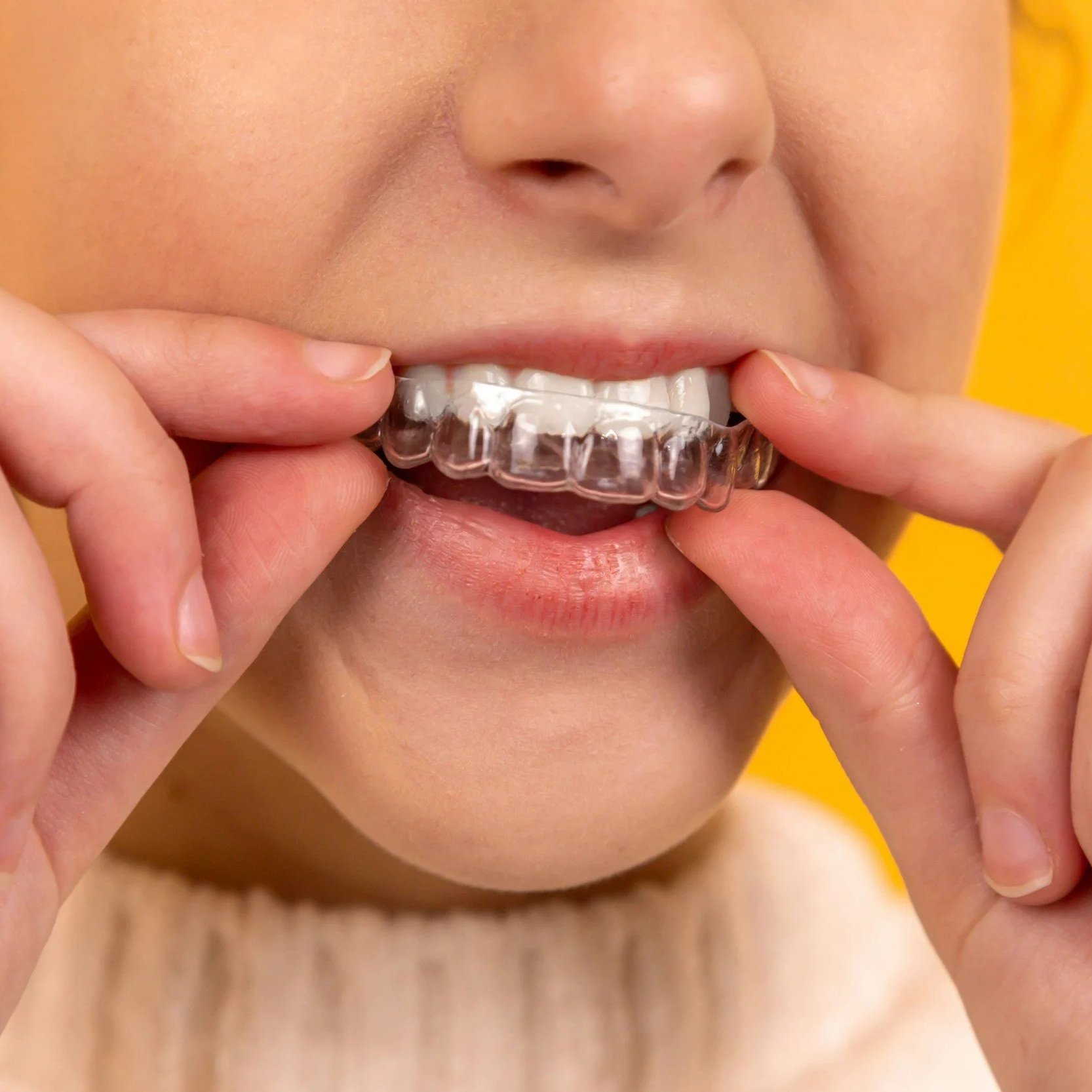
Clenching, grinding, and clashing can cause more damage than most people realize.
Teeth take a beating during the day. Chewing, talking, grinding through daily stress—it all adds up. But for many people, the real pressure happens at night. While the body sleeps, the jaw goes to work. Clenching, grinding, and clashing can cause more damage than most people realize. Waking up with a sore jaw or sensitive teeth isn’t just a fluke. It’s a red flag.
Night guards are designed to give teeth the break they never knew they needed. Professionally made to fit comfortably and stay in place, night guards create a barrier between upper and lower teeth. They prevent wear, protect dental work, and allow jaw muscles to relax while the rest of the body recharges.
Snoring Isn’t Just Background Noise
Snoring might be the punchline to a bedtime joke, but it can point to bigger problems. Snoring often means the airway is partially blocked. That blockage can lead to restless sleep, fatigue, and even breathing disruptions.
Snore guards gently reposition the lower jaw to keep the airway open. It’s a small shift with a big impact. The result is quieter breathing, more restful nights, and fewer complaints from anyone within earshot.
Professionally crafted snore guards are designed with comfort and function in mind. Unlike bulky store-bought versions, they sit snugly without pushing or slipping, helping people breathe easier without complicated machines or noise.
Jaw Pain, Meet Your Match
Nighttime clenching does more than damage teeth. It taxes the muscles around the jaw, head, and neck. Some people grind hard enough to cause jaw popping, tension headaches, and even earaches. If mornings start with tightness and tenderness, there’s a good chance the jaw’s been hard at work all night.
Night guards help stop that cycle. They reduce contact between teeth, give the jaw room to move naturally, and protect against stress-related strain. Over time, many people notice fewer headaches, less stiffness, and a more relaxed jaw when they wake up.
For those already dealing with TMJ symptoms, a custom-fitted night guard can help take pressure off the joint and support a more balanced bite.
One Size Doesn’t Fit All
Store-bought guards might seem like a quick fix, but they often fall short. Ill-fitting devices can shift during the night, create uneven pressure, or feel so bulky that they keep people awake. Some even make grinding worse by misaligning the bite.
Professionally made night guards and snore guards are tailored to each mouth. Using impressions or digital scans, providers create a design that feels like it belongs there. No slipping. No awkward bulk. Just smooth, lightweight protection that works with natural jaw movement.
Materials also vary based on grinding habits and snoring patterns. Some guards are soft and flexible for light clenching. Others use hard acrylic for stronger grinding forces. Dual-layer designs combine comfort with durability, offering a smart solution for most patients.
How the Process Works
The first step is an exam. Providers look for signs of grinding, snoring, or jaw tension. They ask about sleep patterns, pain symptoms, and dental history. If a guard is recommended, impressions or scans come next.
The guard is then crafted to match the mouth’s exact shape. Once it’s ready, patients return for a fitting. Adjustments are made as needed to make sure everything aligns comfortably. The goal isn’t just protection—it’s a device that fits so well, patients forget they’re wearing it.
Over time, the dental team checks in during regular visits to make sure the guard is holding up. Bites can shift slightly with age or dental changes, and guards can be adjusted to match.
Snore Guards and Their Silent Superpowers
Not everyone who snores needs a CPAP machine. For many people, a simple snore guard offers enough support to improve airflow and reduce nighttime noise. These devices gently move the lower jaw forward, opening the throat and allowing smoother breathing.
The difference can be noticeable within days. Partners sleep better. Patients wake up more refreshed. And that morning fog? It begins to lift.
Snore guards are especially helpful for those with mild to moderate obstructive sleep apnea or who can’t tolerate CPAP machines. They travel easily, clean quickly, and don’t make a sound.
Protecting Dental Work and Natural Teeth
Grinding doesn’t just wear down enamel. It can damage crowns, fillings, veneers, and bridges. Even implants aren’t immune to pressure from clenching. A single grinding session can undo years of dental investment.
Night guards help shield that investment. They absorb pressure before it reaches fragile edges. They prevent microfractures that lead to chips, cracks, or sudden breakage. For people with a history of dental work, night guards act like a security system—silent, strong, and always working in the background.
They also help slow gum recession by limiting trauma to the tissues around the teeth. Fewer cracks and less inflammation lead to healthier, longer-lasting smiles.
When to Consider a Guard
Anyone who wakes up with jaw pain, tooth sensitivity, or a tired face might be grinding their teeth. Even if there’s no noise or outward signs, bruxism can still happen quietly. Dentists often spot early damage before patients feel anything.
Snoring doesn’t have to be loud to be disruptive. Dry mouth, morning grogginess, or a history of fragmented sleep can point to snoring or mild airway issues. If others comment on your nighttime soundtrack—or if sleep never quite feels restorative—a snore guard could be part of the solution.
Children and teens can also benefit from night guards, especially during stressful periods or orthodontic treatment. Early intervention helps protect growing smiles from long-term wear.
Care and Maintenance Made Simple
Night guards and snore guards require minimal upkeep. A quick rinse in lukewarm water after each use keeps things clean. Weekly soaks in a professional cleaning solution help remove buildup and prevent bacteria from growing. Brushing with a soft toothbrush (not toothpaste) adds an extra layer of freshness.
Storage matters too. Guards should be kept in a dry, ventilated case—not sealed up, wet, or left in the sun. Most guards last several years with proper care, though regular checkups help spot any wear or fit changes early.
Night guards don’t need to live in the bathroom drawer. With the right care, they remain fresh, effective, and ready to protect night after night.
Sleep, Comfort, and a Happier Morning Routine
Small changes can have big results. Better sleep leads to better mornings. Less jaw tension creates more relaxed meals, conversations, and daily movement. Protected teeth last longer. And snoring, once an unsolvable issue, becomes completely manageable.
Night guards and snore guards work quietly behind the scenes. They don’t call attention to themselves. They simply do the job of guarding what matters—health, comfort, and a little peace.
For people dealing with nighttime clenching, grinding, or snoring, a custom guard can change how they sleep, how they feel, and how they show up in their daily lives. No drama. No guesswork. Just simple, professional support for one of the most overlooked parts of health.
The best part? Waking up with less tension, more energy, and a smile that hasn’t suffered a bit. That’s the power of the right protection—professionally crafted and perfectly fit for the real world.
Jennifer Fineberg DDS offers a wide range of dental services, including, cleaning, pediatrics, crowns, bridges, and veneers, extractions, dentures, implants, fillings, whitening, and emergency dental care. We have been helping residents of Glendale, AZ, smile confidently since 1997. Our aim is to ensure healthy teeth and gums for all our patients. Call now!
