Prevent Gum Disease With Periodontal Checkups in Glendale, AZ
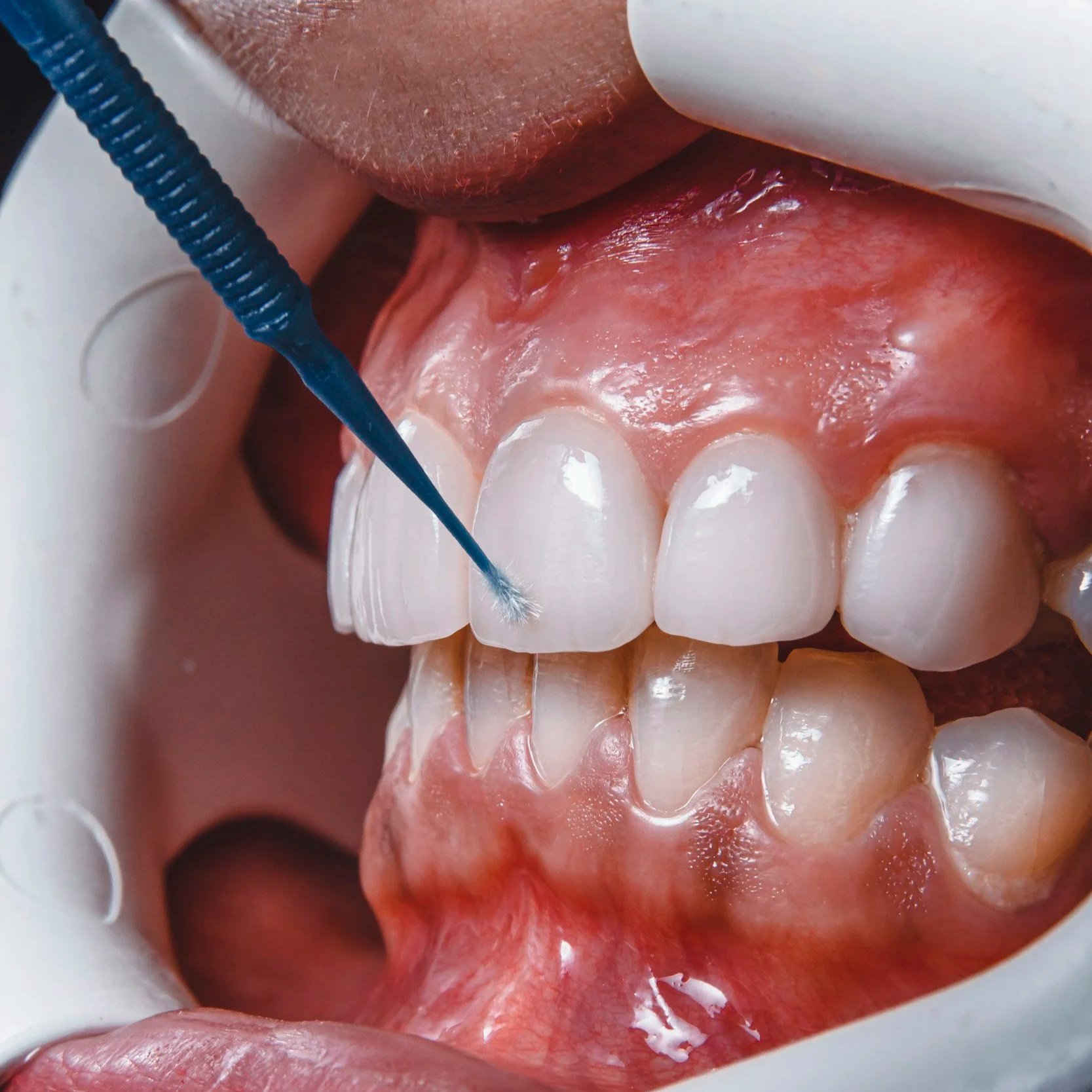
Gum disease doesn't happen overnight, but once it settles in, it starts working overtime to ruin both oral health and confidence.
Gums are like that friend who never complains until it's too late. They quietly support the teeth, keep bacteria at bay, and look nice in family photos. But when plaque and tartar build up, they turn on the drama. Redness, swelling, bleeding; gums go to full protest mode. Gum disease doesn't happen overnight, but once it settles in, it starts working overtime to ruin both oral health and confidence.
That's where periodontal maintenance becomes the star of the show. It isn't a luxury treatment or something reserved for emergencies. It's the practical, no-nonsense way to stop gum disease in its tracks and keep the supporting cast of the smile in tip-top shape.
Plaque Is Persistent and Loves Hiding Places
Plaque builds up like an uninvited guest. It moves in quietly, especially along the gumline, and throws a bacterial party that leads to inflammation and infection. Even the most meticulous brushers and flossers miss spots, plaque hardens into tartar, and then regular brushing just isn't enough.
Once tartar slips beneath the gumline, it starts to irritate the gums. In response, the body triggers inflammation, but the gums aren't great at long-term battles. Without intervention, the tissue begins to pull away from the teeth, creating pockets. The deeper the pocket, the harder it becomes to clean at home.
Professional periodontal maintenance cleans out those stubborn zones and prevents gum disease from digging in its heels. It's not just about cosmetic appearance. It's about stopping decay and damage before they become expensive and painful problems.
Gingivitis Is Just the Opening Act
The earliest stage of gum disease is called gingivitis. It brings bleeding gums, bad breath, and a little swelling. It might seem harmless, even easy to ignore. But without treatment, it makes a swift exit and ushers in its more destructive cousin, periodontitis.
Periodontitis doesn't mess around. It eats away at the gum tissue, damages the underlying bone, and loosens the teeth. If left untreated, it eventually leads to tooth loss. Gums don't magically reattach once they've pulled away, and bone doesn't grow back without help. Periodontal check-ups and routine maintenance stop gingivitis from ever becoming periodontitis. They catch those early warning signs and reverse them before the damage sticks around.
Inflamed Gums Can't Hold Their Ground
Healthy gums hug the teeth like a supportive best friend. They fit tightly, act as a barrier, and hold everything in place. When inflammation moves in, that bond starts to break down. Gums loosen their grip, pockets form, and bacteria start setting up long-term camp.
The deeper the pockets, the more complicated the cleanup. Periodontal maintenance involves deep scaling to remove bacteria and plaque from beneath the gumline. Sometimes it also includes root planing, which smooths the tooth surface and discourages future buildup. The goal is to give gums a fighting chance to reattach and recover. Gums love a smooth, clean environment. With regular periodontal check-ups, they don't have to fight alone.
Breath Tells the Story Before the Mirror Does
Most people won't see gum disease in the mirror until it's fairly advanced. But breath starts whispering clues early on. Persistent bad breath, especially in the morning, often signals bacterial buildup under the gumline.
No mint, rinse, or peppermint gum can handle that kind of funk. The odor-producing bacteria live deep in the pockets and feed on leftover food particles. Professional cleaning removes the bacteria and gives breath a fresh start. Patients who maintain their periodontal visits often find that social situations become a lot more comfortable.
The Whole Body Feels It When Gums Are Unhappy
Gum disease doesn't just stay in the mouth. Studies have shown strong connections between chronic gum inflammation and other health problems like heart disease, diabetes, and even Alzheimer's. Bacteria from infected gums can enter the bloodstream, triggering widespread inflammation and compromising the immune system.
The link is especially strong for patients with underlying conditions. Those with diabetes, for example, often struggle with gum disease that worsens blood sugar control. It's a two-way street, where one condition feeds the other. Routine periodontal maintenance helps break that cycle. It reduces inflammation in the mouth and lowers the risk of complications throughout the body. Good gum care benefits more than just the smile.
Dental Work Doesn't Like Wobbly Foundations
Crowns, implants, and bridges may look flawless, but they need strong gums to stay secure. When gums pull away or become inflamed, those restorations lose stability. Even well-placed implants can fail without proper gum support.
Periodontal check-ups play a key role in protecting the investment. The professional team monitors the condition of the gums around the restoration, catches inflammation early, and keeps everything in working order. It's far easier to maintain existing work than to redo it because of gum failure. Regularly maintained gums help dental restorations last longer and function better.
Recession Changes More Than the Smile
When gums recede, they expose the tooth's root. That part of the tooth doesn't have enamel, so it feels everything: cold drinks, hot coffee, and a quick breeze. Tooth sensitivity becomes a regular annoyance. Worse, the exposed root is more prone to decay.
Gum recession also changes the look of the smile. Teeth appear longer and uneven. The aesthetic impact can be subtle at first, but it becomes more noticeable as the condition progresses. Periodontal maintenance slows recession by addressing inflammation and bacterial buildup before they do more damage. While some recurrences may be permanent, further loss can often be prevented with consistent care.
Routine Makes the Real Difference
Gums prefer predictability. They do better when visits are scheduled every three to four months rather than waiting six months or more. That shorter interval interrupts the bacterial cycle, giving the team time to spot subtle changes.
Patients who commit to routine maintenance appointments usually see better long-term outcomes. They avoid emergency visits, costly procedures, and the rollercoaster of "suddenly something hurts." Periodontal care becomes part of the wellness routine, just like regular workouts or morning coffee. The key is staying consistent. Gum disease doesn't take long breaks, and maintenance appointments help keep it from getting a second wind.
It's Not About Lectures or Scolding
Professional periodontal maintenance isn't about judging or finger-wagging. Dental teams know how life gets busy, flossing habits slip, and appointments fall off the calendar. The goal is always to meet patients where they are and support their progress.
A good provider brings humor, patience, and clear communication to each visit. Patients feel heard and understood, not shamed or rushed. That positive experience builds trust and helps patients stay engaged in their care. Even the most nervous patient can relax a bit when the tone is friendly, and the conversation is easy. Gums might be serious business, but that doesn't mean the appointment has to feel heavy.
Prevention Costs Less Than Repair
There's no fancy math needed. Preventive periodontal care costs less than root canals, crowns, implants, or bone grafts. Regular check-ups and cleanings may not seem exciting, but they save money, time, and pain in the long run.
Most insurance plans cover periodontal maintenance when gum disease is diagnosed. That makes it even easier to stay on track without breaking the bank. The cost of inaction almost always adds up to more, both financially and physically. Patients who stay proactive often avoid invasive procedures and hold onto their natural teeth for much longer. That's a win for smiles, wallets, and stress levels.
Gums Aren't High-Maintenance, Just Misunderstood
Gums don't ask for much. They want regular attention, a little professional help now and then, and a chance to show off their pink perfection. With periodontal check-ups, those small requests get answered.
When gums stay healthy, everything else in the mouth works better. Teeth stay secure, breath stays fresh, and smiles stay confident. Periodontal maintenance provides the structure and support for long-term oral health without the drama. The best smiles have strong foundations, and that begins where the teeth meet the gums. Regular maintenance keeps that line strong, clean, and ready for anything the world has to offer.
Jennifer Fineberg DDS offers a wide range of dental services, including, cleaning, pediatrics, crowns, bridges, and veneers, extractions, dentures, implants, fillings, whitening, and emergency dental care. We have been helping residents of Glendale, AZ, smile confidently since 1997. Our aim is to ensure healthy teeth and gums for all our patients. Call now!
